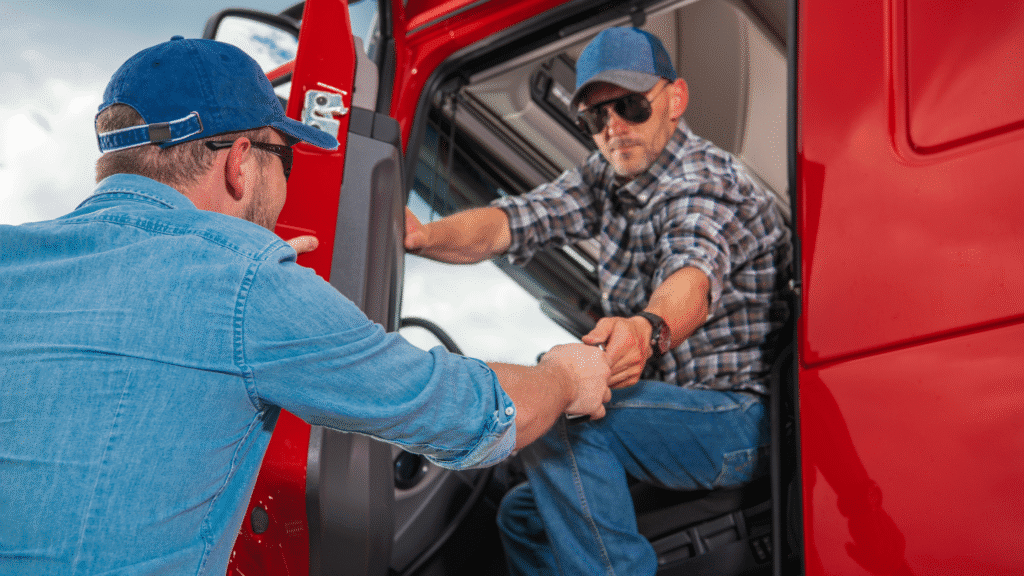
Trucking Leasing vs. Buying: What’s Best for Owner Operators and Carriers
Choosing between leasing and buying a truck is one of the biggest financial decisions a carrier or owner-operator will face. Each path has its own cost, benefits, and long-term impact on your operation. The right choice depends on your goals, cash flow, and how long you plan to stay on the road.
Let’s break down both options so you can make a confident decision for your business.
What It Means to Lease a Truck
Leasing a truck means renting it for a set period of time from a dealer or leasing company. You make monthly payments for the term of the lease and, once it’s over, you can return the truck, extend the agreement, or sometimes buy it outright.
Many drivers like leasing because it offers predictable costs and lower upfront expenses. Leases often include maintenance plans, which help avoid surprise repair bills and keep trucks on the road longer. Leasing also lets you drive newer equipment with warranty coverage, making it easier to upgrade when your lease ends.
The trade-off is that you don’t own the truck, and over time, the total payment can cost more than buying. Some leases also have mileage restrictions or wear-and-tear fees.
Leasing makes sense if you want flexibility, lower upfront costs, and less responsibility for your repairs.
What It Means to Buy a Truck
Buying gives you full ownership of your truck once it has been paid off. You can pay in full or finance it with a loan. Ownership gives you complete control over mileage, customizations, and when to sell. It also allows you to build equity with every payment you make.
However, ownership comes with more financial responsibility. You’ll handle maintenance, repairs, and the long-term value of your truck as it depreciates. While the upfront costs are higher, owning can be more affordable in the long run once the truck is paid off.
Buying works best for experienced drivers who plan to stay in the industry long term and want full control of their equipment.
Leasing vs. Buying: Cost Breakdown
The smartest way to compare leasing and buying is to look at the total cost of ownership. Leasing generally costs less in the short term, with lower upfront payments and predictable monthly expenses. It also helps preserve working capital for fuel, insurance, and day-to-day operations.
Buying requires more money upfront, but becomes more affordable over time once the loan is paid off. You’ll own a valuable asset that can be sold or traded later, and you may benefit from tax deductions on depreciation and interest.
If you’re newer to trucking or want flexibility, leasing may be a safer move. If you’ve built consistent routes and plan to operate for years, buying often delivers better long-term value.
How Insurance Differs Between Leasing and Buying
Insurance requirements can change depending on whether you lease or buy your truck and how you operate it.
If you’re an owner-operator leasing your unit from a dealership or company, they may include physical damage coverage in your agreement. However, it is still your responsibility to provide auto liability and motor truck cargo insurance. In some cases, you may also choose to handle the physical damage coverage yourself, but the owner of the unit would need to be listed as Loss Payee on your policy.
What is a Loss Payee?
A Loss Payee in commercial trucking insurance is a third party, usually a lienholder, bank, or finance company, that has a financial interest in the insured vehicle. Being listed as a Loss Payee ensures that they have received payment if a claim involves damage to the vehicle they financed.
Owned trucks usually require full primary liability and physical damage coverage since you’re fully responsible for the vehicle.
Before signing any lease or loan, talk with your insurance agent to confirm your policy meets the carrier’s requirements and properly protects your investments.
Which Option is Right for You?
Here’s a quick guide to help you decide:

Both leasing and buying have benefits. Leasing gives you predictable costs and flexibility to upgrade, while buying builds long-term value and full control over your truck. The best choice depends on your financial goals and how long you plan to operate in the industry.
No matter which route you take, you’ll need the right insurance coverage to protect your investment. Marquee Insurance Group helps carriers and owner-operators find tailored protection that keeps their business running strong.
Ready to review your options? Contact MIG today to get started.