

UIIA What Is It and What Coverages Do I Need
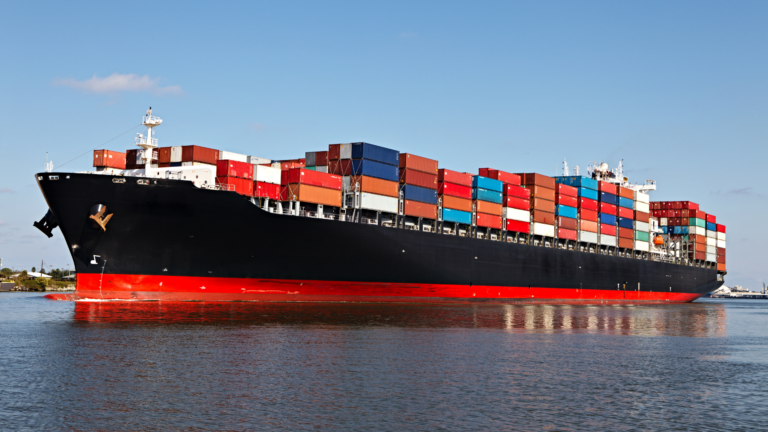
The trucking industry runs on more than just trucks and drivers. It depends on a network of agreements that allow carriers to haul freight smoothly across rail yards, ports, and terminals. One of the most important of these agreements is the UIIA.
But what exactly is the UIIA? And what insurance coverages do you need to comply with it? Let’s break it down.
What is the UIIA?
The Uniform Intermodal Interchange and Facilities Access Agreement (UIIA) is a standardized contract managed by the Intermodal Association of North America (IANA). It governs the exchange of equipment between motor carriers and equipment providers such as railroads, steamship lines, and leasing companies.
Without UIIA approval, carriers cannot access certain ports or rail terminals. For example, if you want to pick up containers from intermodal yards, you must have active UIIA status. In short, this agreement acts like a gatekeeper to some of the most profitable lanes in the industry.
Need UIIA-compliant coverage?
We structure the coverage, facilitate the IANA filing, and match every equipment provider requirement — across 30+ A-rated markets.
See our UIIA & intermodal insurance →How Does the UIIA Work?
To participate in the program, carriers must hold specific insurance coverages. Once coverage is in place, the insurer files proof directly with IANA. When the filing is verified, the carrier’s UIIA status becomes active.
This process may sound intimidating, but it’s straightforward once you understand the requirements. Carriers that prepare in advance avoid delays and gain faster access to new freight opportunities.
What Insurance Coverages Do You Need?
Every UIIA participant must carry a set of core coverages. These include:
-
Auto Liability – At least $1,000,000 in coverage. Protects against bodily injury or property damage while operating your truck.
-
General Liability – At least $1,000,000 per occurrence and $2,000,000 aggregate. Covers accidents that occur off the road, such as at customer facilities.
-
Trailer Interchange Coverage – Protects non-owned trailers and chassis under a written interchange agreement. Essential for intermodal carriers.
-
Motor Truck Cargo Insurance – Not always required by UIIA itself, but many providers demand it. Protects the goods you are hauling while in your care.
Coverage amounts can vary based on the equipment provider or the type of freight. Therefore, always confirm requirements with IANA before hauling.
Why UIIA Compliance Matters
Meeting UIIA requirements does more than unlock equipment access. It also builds your reputation as a professional, compliant carrier. Shippers and brokers often check UIIA status when selecting partners. Being approved signals that you meet higher safety and insurance standards.
For carriers, that approval can translate into more contracts, stronger business relationships, and steadier freight. On the other hand, operating without UIIA status can mean missed opportunities and restricted access to high-value loads.
Tips for Carriers Preparing for UIIA
Becoming UIIA-compliant can feel like another box to check, but it doesn’t need to be stressful. Here are some simple steps to stay on track:
-
Keep your insurance documents organized and up to date.
-
Track renewal dates carefully so filings remain active.
-
Review inspection results and fix issues quickly.
-
Communicate with your insurer to confirm filings were submitted correctly.
-
Stay informed about updates to requirements through FMCSA and IANA resources.
By treating compliance as part of your routine, you reduce surprises and protect your access to freight.
If you plan to haul intermodal freight, UIIA approval is not optional—it’s required. By understanding how the agreement works and what coverages it demands, you position your business for success.
UIIA compliance helps you gain access to equipment, build stronger partnerships, and stand out as a professional carrier. With preparation, you can avoid delays and focus on what matters most: keeping your trucks moving and your business growing.
To review the official requirements, visit the IANA UIIA website or the FMCSA resource page.