Stay Road-Ready: CVSA International Road Check May 13-15
The CVSA International Road check is set to take place from May 13-15, 2025, and commercial drivers across North America should start preparing now. This 72-hour inspection blitz is one of the largest safety enforcement initiatives in the trucking industry, with inspectors conducting thousands of roadside inspections to ensure compliance with key safety regulations.
Failing an inspection can lead to violations, fines, and even being placed out of service, so preparation is essential. Let’s break down what to expect and how to stay ahead of the game during the CVSA Road check.
What is the CVSA International Road check?
Each year the Commercial Vehicle Safety Alliance (CVSA) conducts a focused inspection campaign targeting commercial motor vehicles and drivers. These roadside inspections take place at weight stations, inspection sites, and on highways throughout the U.S.
Inspectors conduct a Level 1 Inspection, which is the most thorough inspectors will be paying extra attention to:
- Hours-of-Service (HOS) Compliance– ensuring drivers are following legal work/rest limits and that logs (ELDs) are properly maintained.
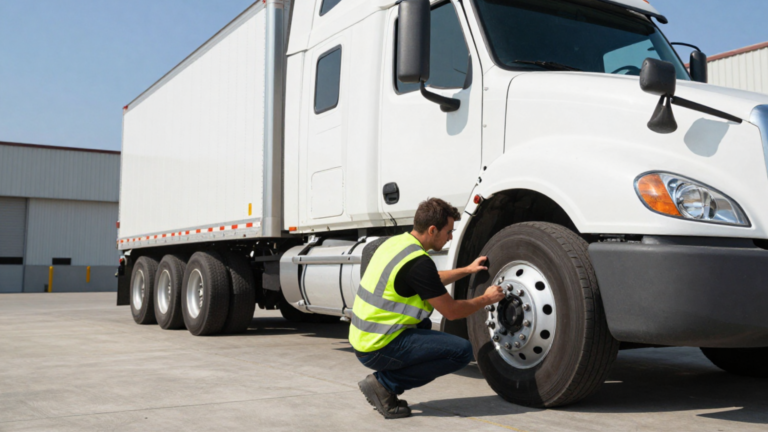
- Tire Safety– Checking tire tread depth, inflation, and condition to prevent blowouts and road hazards.
Although these areas will be highlighted, all trucks and drivers will still be subject to full inspections. Any serious violations could lead to trucks being placed out of service (oos) until repairs or corrections are made during CVSA Road check inspections.
How to Prepare for Road check 2025
1. Inspect Your Vehicle Before Hitting the Road
Conduct thorough pre-trip and post-trip inspections to ensure your truck is in top shape. Check tires, brakes, lights, and cargo securement to fix any issues ahead of time before the CVSA Road check.
2. Ensure Hours-of-Service (HOS) Logs Are Up to Date
Make sure your electronic logging device (ELD) is functioning properly and that logs are accurate. Be prepared to present your records if requested during the CVSA Road check.
3. Keep Your Documentation Ready
Have all necessary driver credentials, permits, and vehicle documentation in order. This includes your CDL, medical examiner’s certificate, and proof of insurance. It’s important these are properly organized for the CVSA Road check.
4. Check Your Tires and Brakes
Since tire safety is a key focus this year, ensure all tires are properly inflated and meet minimum tread depth requirements. Inspect brakes for signs of wear or malfunction ahead of the CVSA Road check.
5. Educate Your Drivers on the Inspection Process
Train drivers on what to expect during a roadside inspection, how to interact with inspectors, and what to do if they are selected for review.
A failed inspection doesn’t just result in fines— it can put a truck out of service, causing delays, loss of revenue, and potential damage to a company’s safety rating. On the flip side, passing inspections can boost your reputation and safety score, potentially leading to lower insurance rates and more business opportunities during the CVSA Road check.
The CVS International Road check is crucial event for the trucking industry. Make steps to ensure compliance before May 13 can save drivers and fleets from unnecessary headaches.
Related Article: Read More Here